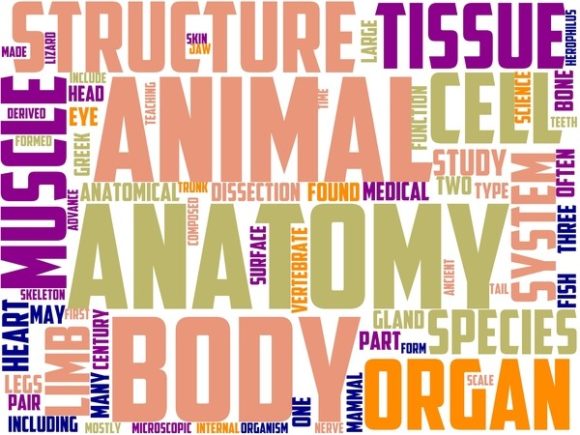
Anatomy Wordart Background
If you’ve ever flipped through a handmade journal, admired a boutique t-shirt, or paused at a wellness studio’s wall art—you’ve likely seen an Anatomy Wordart Background in action. It’s not just decorative typography. It’s a hand-drawn, colorful wordcloud built around anatomical themes—think “heart,” “breath,” “nerve,” “balance,” “flow,” “cortex,” “pulse,” “resilience”—all arranged organically, with delicate linework, soft gradients, and intentional spacing. Unlike sterile clipart or generic vector packs, this design feels human: imperfect, expressive, and deeply rooted in both science and soul.
Where This Design Fits Naturally—Not Just Where It *Can* Go
What makes the Anatomy Wordart Background so versatile isn’t just its visual charm—it’s how seamlessly it aligns with real-life creative needs. People don’t reach for it because it’s “trendy.” They choose it when they need meaning *and* aesthetics to coexist without compromise.
For Wellness Practitioners & Holistic Brands
A yoga studio owner printing class schedules? A physical therapist designing patient education handouts? A meditation app launching a new guided series? The Anatomy Wordart Background adds quiet authority and warmth. One massage therapist told us she printed it on kraft paper tags for lavender-scented stress-relief kits—“clients kept them on their mirrors. It wasn’t just branding—it became part of their ritual.” That’s the power: it supports intention, not just decoration.
In Educational & Learning Environments
Teachers use it in biology classrooms—not as a replacement for diagrams, but as a memory anchor. A high school science teacher laminated a version focused on “muscle,” “tendon,” “synapse,” and “oxygen” onto her lab station. Students started using the words aloud during dissections. Similarly, nursing students print smaller versions into study journals beside sketches of the circulatory system—helping link vocabulary to visual understanding in a low-pressure way.
For Makers, Print-on-Demand Sellers & Indie Designers
This background shines where authenticity matters more than perfection. Think: eco-conscious apparel brands screen-printing it onto organic cotton tees with phrases like “Listen to Your Body” or “Rooted in Rhythm.” Or textile designers scaling it across linen pillow covers for a sleep-well collection. Because it’s hand-drawn—not algorithm-generated—it avoids the “stock” look that shoppers now scroll past instantly. One Etsy seller reported a 40% lift in engagement on listings featuring the Anatomy Wordart Background versus clean-line alternatives. Her insight? “People don’t buy anatomy. They buy *recognition*—of their own complexity, their healing journey, their quiet strength.”
In Print & Packaging Design
It works beautifully behind minimal copy—on apothecary labels, herbal tea boxes, or supplement packaging. A naturopathic clinic used a muted teal-and-cream version as a subtle backdrop on prescription pads and intake forms. No one commented on the design directly—but patients consistently described the space as “calm” and “grounded.” That’s the quiet utility: it sets tone without shouting.
Who Benefits—and How Their Needs Differ
- Crafters & DIYers: Love the layered flexibility—print it large for a wall hanging, shrink it for fabric-transfer decals, or trace individual words for embroidery patterns. Its hand-drawn nature means slight variations in line weight translate well across mediums (no pixelation, no harsh edges).
- Small Business Owners: Value the ready-to-use adaptability. Drop it into Canva for social media banners, overlay it on product photos in Photoshop, or import it into Illustrator for precise color adjustments. No licensing headaches—it’s cleared for commercial use across physical and digital products.
- Content Creators & Educators: Use it to break up dense text in e-books or workshop workbooks. One mindfulness coach embedded a simplified version behind reflection prompts in her digital journal—readers said it helped them “slow down before writing,” turning layout into part of the experience.
Things to Consider Before You Apply It
While flexible, the Anatomy Wordart Background isn’t magic dust. A few practical notes help it land right:
- Readability matters most. If you’re overlaying text (like a quote or headline), test contrast. Light-colored words over pale pink anatomy clouds can vanish on screens or in dim lighting. Try adding a subtle semi-transparent overlay or using bold, sans-serif type to create separation.
- Scale changes impact perception. At poster size, the organic flow shines. At business card scale, some finer details may blur—so pick versions with slightly bolder linework for small-format uses like stickers or magnets.
- Color context shifts meaning. Deep indigo + rust evokes clinical calm; sage green + terracotta leans earthy and restorative; soft coral + charcoal feels modern and inclusive. Match your palette to your audience’s emotional language—not just your brand guidelines.
- It’s not a medical diagram. While inspired by anatomy, it’s intentionally interpretive—not anatomically precise. Perfect for inspiration, education support, or ambiance—but not for clinical instruction or regulatory materials where accuracy is non-negotiable.
Why It Stands Out in a Saturated Design World
We’re surrounded by anatomy-themed graphics: rigid vector organs, sterile infographics, AI-generated “biological” textures that feel cold and detached. The Anatomy Wordart Background succeeds because it embraces duality—it’s both scientifically grounded and emotionally resonant. It doesn’t reduce the body to parts; it invites curiosity about connection, rhythm, and inner wisdom.
That’s why it shows up on grief-support cards (with words like “hold,” “tend,” “honor,” “breathe”), on fertility coaching workbooks, on mental health awareness posters for college campuses, and even stitched onto lab coats worn by trauma-informed therapists. It’s not about labeling systems—it’s about honoring lived experience.
And because it’s designed to be *used*, not just admired, it comes with thoughtful variations: light-on-dark for dramatic posters, monochrome versions for embroidery or foil stamping, simplified layouts for kids’ activity sheets, and open-source compatible files for makers who want to tweak spacing or swap in custom terms (“gut,” “vagus,” “coherence,” “stillness”).
At its core, the Anatomy Wordart Background answers a quiet question many creators ask themselves: *How do I make something that feels true—not just pretty?* It doesn’t shout. It breathes. And in doing so, it gives people permission to do the same.