Transcriber Typography Print: A Hand-Drawn Word Cloud Resource for Creative Projects
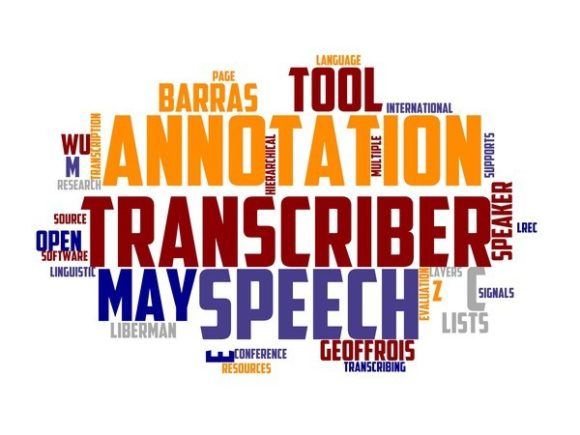
Transcriber Typography Print refers to a curated digital design asset: a hand-drawn, colorful word cloud created with intentional typographic variation and organic visual texture. Unlike algorithmically generated word clouds, this version is crafted by hand—each word shaped, sized, and positioned deliberately to balance legibility, aesthetic harmony, and expressive energy. It’s delivered as a high-resolution, scalable vector or PNG file, optimized for both digital use and professional print reproduction.
This resource is designed for makers, designers, educators, small-business owners, and hobbyists who need versatile, ready-to-use typographic elements. Its primary value lies not in functionality—like transcription software or automated layout tools—but in its role as a decorative, thematic, and communicative visual component. The words themselves are typically inspirational or concept-driven (e.g., “create,” “joy,” “explore,” “grow,” “connect”), selected to resonate across contexts without prescribing meaning.
Why Consider Transcriber Typography Print?
Individuals often seek Transcriber Typography Print when they need a visually rich, cohesive typographic element that avoids the sterility of standard fonts or the unpredictability of auto-generated layouts. Its appeal stems from three interrelated factors: authenticity, adaptability, and time efficiency.
First, the hand-drawn quality introduces warmth and human nuance—qualities especially valued in branding, education, and wellness-related projects where approachability matters. Second, because it’s delivered as a layered, editable file (often with transparent backgrounds and separated color groups), users can recolor, resize, crop, or isolate individual words without compromising resolution. Third, integrating it into a project—whether screen-printing a t-shirt or designing a workshop flyer—requires less iterative design work than building a custom word cloud from scratch.
Practical Benefits and Realistic Expectations
When used thoughtfully, Transcriber Typography Print supports consistent visual storytelling. For example, a yoga studio might apply it to class schedules, water bottle labels, or social media graphics—reinforcing core values through repeated, recognizable imagery. Similarly, a teacher could incorporate it into classroom posters or student reward certificates, lending a personalized, uplifting tone without needing illustration skills.
However, expectations must align with its nature. This is not a customizable text generator: the words, their relative sizes, and spatial relationships are fixed. While colors and layout can be adjusted, swapping out terms or reordering emphasis requires manual redrawing or significant vector editing—tasks beyond basic design software proficiency. Users should also verify licensing terms: most versions permit commercial use for physical products (e.g., mugs, apparel) but may restrict resale of the unaltered file as a standalone digital product.
Print performance depends on output method. For screen printing or embroidery, simplifying color layers and confirming minimum line thickness (typically 0.5 pt or higher) helps avoid registration issues. For digital use—such as e-book chapter headers or web banners—embedding the file as SVG preserves scalability and load speed, provided the platform supports it.
Situations Where It Fits Well
Transcriber Typography Print is especially effective when:
- Brand voice prioritizes warmth and craftsmanship—for example, artisanal goods, indie publishing, or therapeutic services where clinical or overly polished visuals feel incongruent.
- Projects demand rapid prototyping—a community center planning a literacy campaign may use it across flyers, tote bags, and chalkboard signs within a single afternoon.
- Design consistency matters across varied formats—a conference organizer can deploy the same word cloud across name tags, stage backdrops, and digital newsletters, ensuring thematic continuity without redundant design labor.
- Target audiences respond well to positive, open-ended language—educational materials, mental health resources, or creative workshops benefit from non-prescriptive, inclusive phrasing that invites interpretation rather than instruction.
When Alternatives May Be More Suitable
Transcriber Typography Print is less appropriate when precision, specificity, or dynamic content is required. For instance:
- If a project needs data-driven word frequency visualization—such as analyzing survey responses or SEO keyword volume—an algorithmic tool like WordClouds.com or Python’s
wordcloudlibrary offers accurate sizing and filtering. - If brand guidelines mandate strict typography (e.g., a corporate font family with exact weight and spacing rules), a custom lettering commission or font-based layout provides tighter control.
- If multilingual support is essential, most hand-drawn word clouds are English-only and lack diacritical marks or right-to-left language compatibility—making localized typography kits or bilingual font sets more reliable.
- If scalability to extreme sizes (e.g., 20-foot banners) is critical, users should confirm the file includes true vector paths (not rasterized outlines), as some versions embed textured brushes that don’t scale cleanly.
Making an Informed Choice
Before acquiring Transcriber Typography Print, consider these practical questions:
- What problem am I solving? If the goal is visual cohesion and emotional resonance—not data representation or linguistic flexibility—it’s a strong candidate.
- Do I have the technical capacity to adapt it? Check whether your workflow supports vector editing (e.g., Adobe Illustrator, Affinity Designer) or if you’ll rely on pre-made color variants.
- How will it be reproduced? Request sample files or mockups showing how it renders at common sizes (e.g., 4×6 inches for postcards, 12×12 inches for wall art) and on expected substrates (cotton fabric, kraft paper, ceramic).
- Is licensing aligned with my use case? Review terms for physical product limits, attribution requirements, and exclusivity options—especially if selling merchandise at scale.
Finally, compare it against comparable resources—not just price, but long-term utility. A $15 Transcriber Typography Print file used across 50 product SKUs delivers different value than a $5 clipart pack with generic shapes. Likewise, investing in a custom lettering piece may cost more upfront but yield greater uniqueness and brand distinction over time.
In summary, Transcriber Typography Print serves a distinct niche: it bridges the gap between handmade authenticity and production-ready practicality. Its strength lies in thoughtful application—not broad functionality. When matched to projects that value expressive typography, cross-format versatility, and human-centered design, it functions not as a shortcut, but as a considered tool among many.