Archology Wordart Print: Your Hand-Drawn Wordcloud for Real-Life Creativity
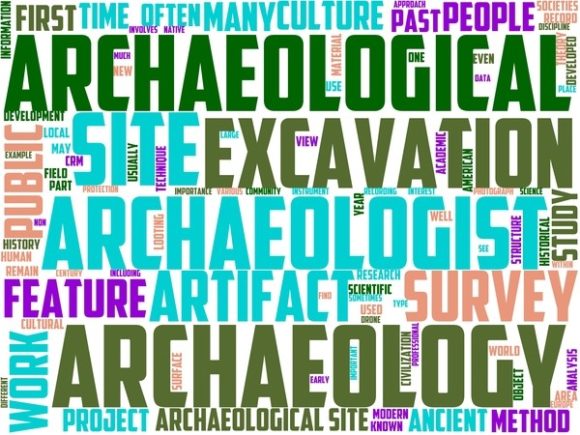
If you’ve ever stared at a blank notebook cover, a plain tote bag, or a dull event banner wondering how to make it feel personal, meaningful, and visually alive — Archology Wordart Print is the kind of resource that quietly solves that problem. It’s not just another digital graphic. It’s a vibrant, hand-drawn, colorful wordcloud designed with intention — each word thoughtfully placed, each color chosen for warmth and energy, each curve and flourish made to feel human, not algorithmic.
What Makes Archology Wordart Print Different From Any Other Wordcloud?
Most wordclouds are generated automatically — rigid, repetitive, and often cold. Archology Wordart Print flips that script. Every element is hand-illustrated: letters have subtle weight shifts, words nestle into one another like friends in conversation, and the palette feels curated — not random. That handmade quality makes it instantly more inviting, more trustworthy, and far more adaptable across physical and digital projects.
Where You’ll Actually Use It (and Why It Fits So Well)
This isn’t a “nice-to-have” design asset. It’s a workhorse — one that shows up where inspiration meets action. Here’s where people aged 20–50 are already putting it to use:
- Clothing & Accessories: Think embroidered patches on denim jackets, screen-printed tees for small-batch brands, or heat-transfer designs on kids’ backpacks. One crafty mom used Archology Wordart Print as the centerpiece for her daughter’s “Kindness Club” t-shirts — swapping out “compassion,” “patience,” and “courage” to match their monthly theme.
- Home Décor That Feels Like Home: Framed prints on gallery walls, stenciled onto linen pillow covers, or transferred onto ceramic mugs using sublimation. A textile designer told us she scaled the wordcloud down to fit inside a circular embroidery hoop — then stitched around key words like “breathe,” “gather,” and “still” in contrasting thread.
- Promotions That Stand Out (Without Shouting): Local yoga studios print it on postcards for new student offers. Independent bookshops use it as background art behind staff picks posters. Wedding planners embed it into digital invitations — softening formal language with visual warmth.
- Educational & Therapeutic Tools: Counselors print mini versions on cardstock for grounding exercises (“Name three things you see… three things you feel…”). Teachers laminate them as classroom calm-down corners — students point to words like “pause,” “listen,” or “try again” during emotional check-ins.
- Small-Business Branding That Doesn’t Feel Generic: A ceramicist uses the wordcloud as a watermark behind her logo on packaging labels. A freelance writer features it subtly on her website’s “About” page — reinforcing values like “curious,” “clear,” and “thoughtful” without writing a manifesto.
Who Benefits Most — and How Their Needs Shape the Use
A college student designing a capstone presentation isn’t using Archology Wordart Print the same way a boutique owner restocking seasonal gift tags does — and that’s the point. Its flexibility comes from its groundedness, not its complexity.
For makers and crafters: It layers beautifully over fabric, wood, or paper without needing advanced software skills. You don’t need to “vectorize” or “remove backgrounds” — it arrives clean, high-res, and ready to cut, print, or trace.
For educators and wellness professionals: The hand-drawn aesthetic signals approachability. It doesn’t feel clinical or corporate — which matters when you’re supporting vulnerable conversations or engaging reluctant learners.
For entrepreneurs and solopreneurs: It adds instant personality to DIY marketing — no brand consultant required. One Etsy seller shared how switching from stock photos to Archology Wordart Print-based banners increased her Instagram story engagement by 40% in under two weeks. People paused. They read. They connected.
Things to Keep in Mind Before You Start Designing
Like any great tool, Archology Wordart Print works best when matched to your real-world constraints and goals:
- Readability matters — especially at smaller sizes. If you’re planning tiny tags or business card accents, test how legible individual words stay when scaled down. Some users find pairing it with a single bold word (like “GROW” or “CREATE”) works better than trying to shrink the whole cloud.
- Color mode affects output. For digital use (websites, social posts), RGB is ideal. But if you’re printing on fabric or stationery, double-check whether your printer prefers CMYK — and ask if the file includes Pantone references for consistent brand colors.
- Licensing is straightforward — but worth scanning. Most versions allow unlimited personal and commercial use, including resale on physical products. Just avoid reselling the raw file itself or claiming authorship of the original artwork.
- It’s expressive — not prescriptive. The word selection reflects universal themes (joy, growth, wonder, resilience), but it’s not customizable out of the box. If your project hinges on specific jargon or niche terminology, this may be better used as a stylistic foundation — then layered with your own hand-lettered additions.
Strengths You’ll Notice Right Away
The biggest wins aren’t technical — they’re emotional and practical. First, it saves time without sacrificing authenticity. Second, it bridges gaps: between handmade charm and professional polish, between visual impact and quiet meaning. Third, it invites participation — customers, students, or guests often point to words that resonate with them personally. That’s engagement you can’t fake with filters or fonts.
A Few Gentle Limitations to Acknowledge
It won’t replace custom typography for headline-heavy campaigns. It’s not built for data visualization or multilingual layouts (the current version uses English vocabulary and Latin-script letterforms). And while it scales beautifully, extreme enlargement (think 8-foot banners) may reveal subtle texture variations — which some love for character, others prefer smoothed out.
Real Projects, Not Just Possibilities
A community garden group printed Archology Wordart Print on seed packet labels — pairing “root,” “tend,” “share,” and “harvest” with illustrations of native plants. A therapist laminated a version onto a clipboard for intake interviews — patients often comment on it before even opening up. A high school art teacher projected it behind student presentations on identity — sparking richer discussions about language, belonging, and self-expression.
None of these uses required special training. Just an idea, a surface, and something that felt true.
Why This Resonates Now
In a world saturated with AI-generated visuals and ultra-polished templates, Archology Wordart Print offers something increasingly rare: warmth you can feel through the screen, craftsmanship you can trust, and versatility that doesn’t ask you to choose between beauty and function. It’s not about filling space — it’s about honoring the moments, messages, and meanings that deserve to be seen, shared, and held close.