Translator Typography Print: Hand-Drawn Wordclouds for Real Creativity
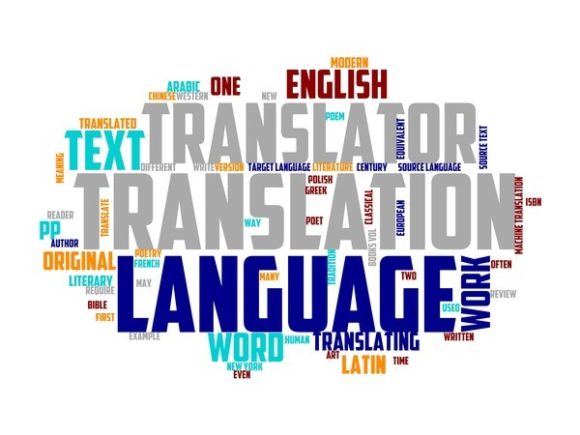
Imagine opening a design project and instantly having a vibrant, expressive, hand-drawn wordcloud—colorful, balanced, and full of personality—ready to drop into your next textile print, greeting card, or classroom poster. That’s the quiet power of Translator Typography Print: not just another font or clipart pack, but a thoughtfully crafted set of typographic illustrations designed to carry meaning *and* visual warmth.
More Than Decoration—A Communication Tool with Intention
A wordcloud isn’t just about size and frequency—it’s about resonance. The Translator Typography Print collection uses hand-drawn lettering to give each word its own voice: soft curves for “calm,” bold strokes for “courage,” playful loops for “joy.” Because it’s drawn—not algorithmically generated—it avoids the clinical flatness of automated tools. That human touch makes it especially effective when you need emotional authenticity: a wellness brand launching a mindfulness journal, an educator designing a classroom affirmation wall, or a small-batch ceramicist printing uplifting phrases onto mugs.
This isn’t clipart you layer and forget. It’s typography that invites interaction—readers pause, recognize nuance in the line weight, feel the rhythm between words like “breathe,” “create,” and “belong.” That subtle intentionality strengthens messaging without adding text or explanation.
Where Time-Saving Meets Creative Control
Designers and makers often face a tension: custom lettering takes hours (or costly commissions), while generic fonts lack character. Translator Typography Print bridges that gap. Each wordcloud is delivered as high-resolution PNG and vector (SVG/EPS) files—so you can scale it for a pillowcase or a 48” trade show banner without pixelation. No need to trace, kern, or adjust spacing manually. Yet unlike rigid templates, these are flexible: rearrange words in your layout software, recolor individual elements using vector layers, or isolate “gratitude” to use alone on a thank-you card.
For freelancers managing multiple clients—or teachers prepping weekly bulletin boards—this means spending minutes instead of hours on typography-heavy assets. One user, a boutique stationery designer, reported cutting her invitation suite design time by nearly 40% after integrating Translator Typography Print into her workflow—without sacrificing originality.
Real-World Uses That Go Beyond the Obvious
Yes, it works beautifully on t-shirts and tote bags—but its strength lies in versatility grounded in function:
- Education & Coaching: A school counselor printed a “Resilience Wordcloud” on laminated cards for students to hold during group sessions—its tactile, non-digital presence helped ground conversations more effectively than projected slides.
- Small Business Branding: A local tea shop used a custom-cropped section (“sip,” “pause,” “bloom”) across packaging, receipts, and Instagram Story highlights—creating cohesive, warm recognition without needing a full logo redesign.
- Publishing & Content Creation: An e-book author embedded a themed wordcloud as chapter dividers in her self-published guide on creative burnout—readers consistently highlighted those pages in feedback as “moments of breath and clarity.”
- Home & Textile Design: A fiber artist screen-printed a muted-tone version onto linen napkins for a wedding client; the organic line quality echoed hand-stitched embroidery elsewhere in the suite, unifying handmade elements across formats.
Who Benefits Most—and Why Fit Matters
Translator Typography Print shines for creators who value both efficiency *and* expressive fidelity—especially those working across physical and digital outputs. Freelance graphic designers, indie publishers, craft business owners, and educators tend to get the most consistent value because they frequently juggle tight deadlines, limited budgets, and audiences that respond to sincerity over polish.
It’s less ideal for highly technical branding systems requiring strict typographic hierarchy (e.g., enterprise SaaS dashboards) or projects demanding multilingual glyph support beyond English—though many users successfully adapt core words for bilingual contexts by pairing them with complementary typefaces. If your work relies heavily on precise data visualization or strict WCAG color contrast compliance, always test final output—hand-drawn color palettes prioritize harmony over contrast ratios, so minor adjustments may be needed for accessibility-critical applications.
Thoughtful Integration, Not Just Drop-In Use
Because these wordclouds are expressive, their impact depends on context. A vibrant, saturated version energizes festival posters or kids’ activity books—but may overwhelm minimalist packaging or professional conference materials. That’s why the collection includes intentional variations: some with watercolor textures, others with clean ink outlines, and several in low-saturation palettes for sophisticated applications like wedding programs or artisanal soap labels.
Try this practical approach: start by identifying your *dominant message*, not just your product. Is it “connection”? “Growth”? “Clarity”? Then choose a wordcloud where those words sit prominently—and let the supporting terms (“listen,” “trust,” “step”) reinforce tone rather than compete. You’ll avoid visual clutter and strengthen recall.
Supporting Goals Without Overpromising
Does Translator Typography Print guarantee viral social posts or higher sales? No—and it shouldn’t claim to. What it reliably supports is *intentional communication*: helping you express values quickly, maintain visual consistency across diverse products, and reduce repetitive design labor so you can focus on strategy, storytelling, or hands-on making.
One small-business owner described it as “the design equivalent of having a trusted collaborator who understands tone before you even explain it.” That reliability—knowing a wordcloud will land with warmth, legibility, and craft—builds confidence across projects, from last-minute teacher appreciation gifts to investor pitch decks.
A Resource That Grows With Your Practice
Unlike static fonts or one-off graphics, Translator Typography Print encourages iteration. Its hand-drawn nature invites adaptation: trace a word to create a custom monogram, combine fragments to build a new phrase, or use negative space around the cloud for embossing or cut-out effects in packaging. Several educators have turned wordclouds into collaborative classroom activities—projecting them, then inviting students to add their own handwritten words using the same stylistic cues.
That flexibility reflects how real creative work unfolds: rarely linear, often iterative, always responsive to audience and medium. When your tools mirror that reality—instead of forcing rigid templates—you spend less time wrestling with software and more time connecting with people.
If you’re choosing typography not just for legibility but for resonance—if you design for humans, not just platforms—Translator Typography Print offers something increasingly rare: craftsmanship you can deploy, thoughtfully and efficiently, across the wide, wonderful range of things you make.