Tree Surgeon Typography Banner
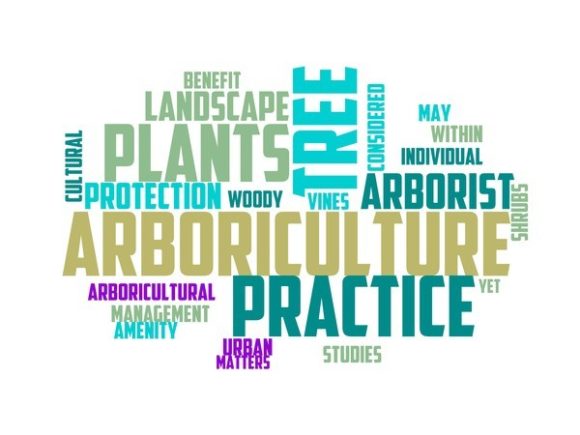
The Tree Surgeon Typography Banner is a hand-drawn, colorful wordcloud design intended for versatile creative applications. Unlike standard digital fonts or vector-based typographic assets, it features organic linework, varied sizing, and intentional spatial arrangement—evoking the texture and rhythm of handwritten illustration. It is delivered as a high-resolution, scalable graphic file (typically PNG with transparent background or vector-compatible formats), optimized for both print and digital use.
This design centers around thematic words associated with growth, resilience, nature, craftsmanship, and renewal—phrases like “prune,” “root,” “branch,” “grow,” “shape,” “strong,” “balance,” and “seasons.” Its visual language draws from botanical illustration and artisanal lettering traditions, making it distinct from generic decorative typography. While the name references arboriculture, the banner’s conceptual scope extends beyond literal tree care to broader metaphors of structure, care, and transformation.
Why Someone Might Consider This Design
Designers, small business owners, educators, and crafters often seek assets that communicate layered meaning without relying on complex imagery. The Tree Surgeon Typography Banner appeals in contexts where authenticity, tactility, and thematic cohesion matter more than polished uniformity. For example:
- A sustainability-focused apparel brand may use it on t-shirt prints to reinforce values like stewardship and natural cycles.
- An environmental education nonprofit might integrate it into workshop posters or downloadable activity sheets.
- A stationery maker could adapt elements for greeting cards or journal covers centered on personal growth or seasonal reflection.
Its appeal lies partly in its dual functionality: it serves as both a ready-to-use composition and a modular toolkit. Individual words or clusters can be isolated, recolored, or rearranged—supporting adaptation across mediums such as textile printing, laser-cut wood signs, or embroidery patterns.
Benefits and Practical Advantages
One key benefit is time efficiency. Because the layout is pre-composed with intentional hierarchy and visual balance, users avoid the labor-intensive process of arranging dozens of words manually while maintaining aesthetic harmony. The hand-drawn quality also helps projects stand out in saturated markets where minimalist sans-serif type dominates.
It supports consistent branding across touchpoints. When applied to packaging, business cards, and social media graphics, the same wordcloud reinforces thematic messaging without requiring custom illustration for each format. Its color palette—often built around earthy tones, muted greens, warm ochres, and soft indigos—is designed to reproduce well across substrates, including uncoated paper, cotton fabric, and ceramic mugs.
Additionally, the design’s flexibility means it scales effectively: legible at thumbnail size for digital ads, detailed enough for large-format wall decals, and adaptable for monochrome reproduction if needed (e.g., screen-printed black ink on natural canvas).
Tradeoffs and Realistic Expectations
Because the Tree Surgeon Typography Banner is hand-drawn rather than algorithmically generated, it offers less typographic precision than engineered fonts. Letter spacing, baseline alignment, and stroke consistency vary intentionally—this is a feature, not a flaw—but it may limit suitability for contexts demanding strict readability at small sizes (e.g., legal disclaimers or dense instructional text).
Customization requires basic design software proficiency. While the file is editable in programs like Adobe Illustrator or Affinity Designer, users unfamiliar with layer management or path editing may find it challenging to modify individual elements without disrupting overall composition. Resizing beyond original proportions—especially extreme enlargement—can reveal subtle raster artifacts if working from a non-vector source.
Licensing terms also warrant attention. Most versions are licensed for commercial use, but restrictions may apply to resale as standalone digital products (e.g., selling the wordcloud itself as a clipart pack) or use in logo marks where primary brand identity relies solely on the asset. Always verify the license scope before committing to production.
When It’s a Strong Fit
The Tree Surgeon Typography Banner works best when your goal is expressive, context-aware communication—not neutral information delivery. It aligns well with projects grounded in:
- Nature- or wellness-oriented brands seeking warmth and approachability over clinical precision.
- Educational or community initiatives focused on ecology, horticulture, mindfulness, or skill-building.
- Handmade or artisanal product lines, where tactile authenticity strengthens perceived value.
- Multi-format campaigns needing one cohesive visual anchor across physical and digital channels.
It also suits designers who prefer starting from an evocative base rather than building from scratch—saving time without sacrificing originality.
When Alternatives May Be More Appropriate
If your project prioritizes strict typographic control—such as technical documentation, data visualization labels, or interfaces requiring WCAG-compliant contrast and font size—you’ll likely need a professionally kerned, OpenType font instead. Similarly, highly branded corporate identities often benefit from custom lettering developed specifically for their voice and audience—not a pre-made wordcloud, however thoughtfully designed.
For rapid prototyping or A/B testing of messaging, a dynamic, editable font paired with layout tools (like variable fonts in Figma) offers greater agility than a fixed composition. And if scalability to ultra-large formats (e.g., building wraps or stadium banners) is essential, a fully vector-based solution—rather than a hybrid raster/vector file—may provide more predictable output.
Making a Practical Decision
Before choosing the Tree Surgeon Typography Banner, clarify three things: your core message, your primary medium, and your capacity for adaptation.
Ask yourself: Does the thematic vocabulary match what you want to emphasize? Will the visual tone resonate with your audience—or risk feeling overly niche or abstract? Can you adjust colors or isolate components using tools you already own and understand?
Compare it against alternatives by testing side-by-side mockups: place the banner alongside a clean sans-serif treatment and a botanical line-art icon set, all applied to the same poster or product label. Which version most clearly signals intent—and feels appropriate for the context?
Finally, consider longevity. Hand-drawn assets age differently than trends-driven graphics. This design avoids fleeting aesthetics in favor of enduring motifs—making it a reasonable investment if your brand or project plans to maintain visual continuity over multiple seasons or product iterations.